Storms can strike suddenly and with little warning, leaving homeowners to contend with a wide range of damage—from minor inconveniences to serious structural issues. Even brief exposure to high winds, heavy rain, or hail can compromise a home’s safety, create water intrusion, or weaken key structural components. While some damage is immediately visible, such as broken windows or fallen branches, other problems, like roof leaks or mold growth, may develop gradually over days or weeks. This delayed onset makes regular inspections and timely maintenance essential for protecting both the safety and value of your property.
Understanding the most common types of storm damage allows homeowners to respond quickly and effectively, preventing small issues from escalating into costly repairs. Storms can affect nearly every aspect of a property, from roofing and siding to doors, landscaping, and interior spaces. Fallen trees, flooding, and debris may create immediate hazards, while hidden leaks or water damage can compromise structural integrity and indoor air quality over time. Addressing these challenges promptly reduces repair costs, minimizes disruption, and ensures that your home remains safe and comfortable.
This guide highlights 11 of the most common storm damage problems and provides practical strategies for addressing them. Each section offers insight into professional solutions, DIY considerations, and preventative measures to help safeguard your home against future storms. By understanding these issues and how to resolve them, homeowners can protect their property, maintain functionality, and reduce the stress and expense associated with severe weather events.
1. Roof Damage
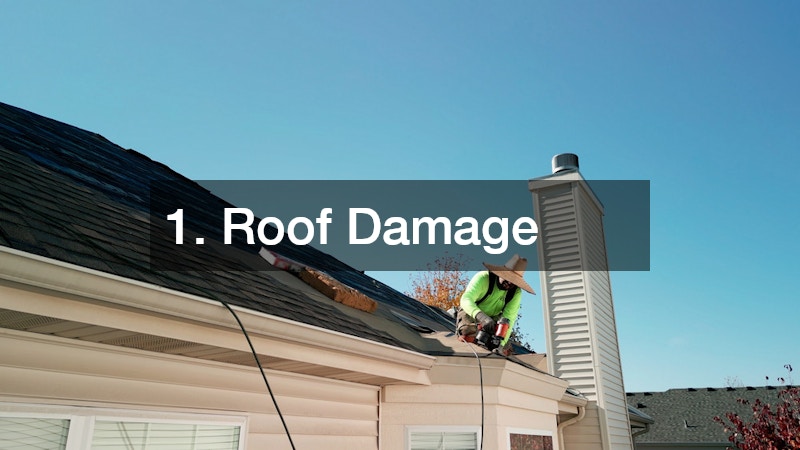
Roof damage is one of the most visible and serious consequences of storms. High winds, hail, and heavy rainfall can loosen shingles, create leaks, or damage structural components. Even minor damage can lead to water intrusion, mold growth, and further deterioration if left unaddressed.
Consulting experienced roofing contractors ensures that damage is correctly identified and repaired. These professionals can inspect the entire roof, assess structural integrity, and recommend repairs or replacements tailored to the severity of the damage. They also ensure the work meets local building codes and manufacturer guidelines, which is crucial for maintaining warranties.
Homeowners should conduct routine inspections after storms, looking for missing or cracked shingles, sagging areas, or water stains on ceilings. Prompt repairs not only protect your home but also help maintain property value. Regular maintenance, such as cleaning gutters and reinforcing weak areas, can further reduce vulnerability to storm damage.
2. Broken or Damaged Doors
Doors, especially entryways, can suffer from impact damage during storms. Flying debris or high winds can crack frames, shatter glass panels, or misalign door hardware, compromising both security and energy efficiency.
Professional hurricane door installation can provide added protection for homes in storm-prone areas. These installations use reinforced materials and designs tested to withstand high winds, helping prevent damage during future storms. Properly installed doors also improve insulation, reduce water intrusion, and enhance overall safety.
Even smaller issues, such as minor cracks or alignment problems, should be addressed quickly. Temporary solutions, like securing loose panels or using weather-resistant sealants, can protect the home until permanent repairs are completed. Maintaining door integrity is critical for keeping interiors dry, secure, and functional after storm events.
3. Water Intrusion and Flooding
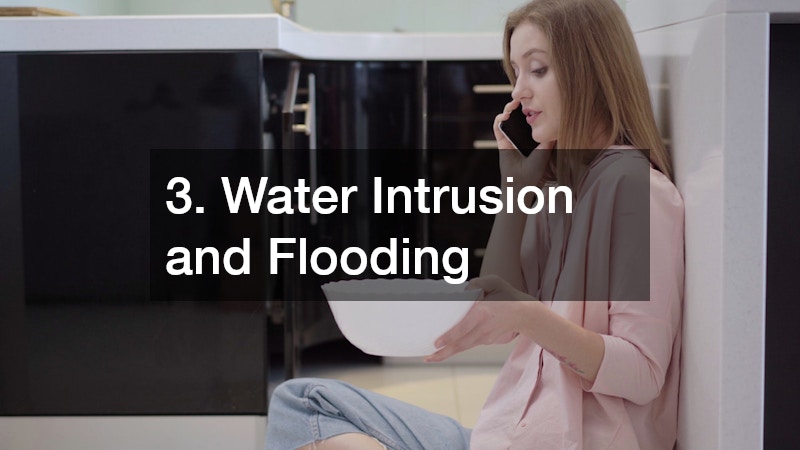
Heavy rainfall and storm surges can lead to water intrusion, affecting basements, crawl spaces, and ground-level rooms. Standing water not only damages flooring and walls but also creates an environment conducive to mold and mildew growth.
Water damage remediation specialists assess the extent of flooding, remove excess water, and dry affected areas using industrial-grade equipment. They can also identify hidden leaks and structural vulnerabilities that may have contributed to the problem. Prompt intervention reduces long-term damage and helps preserve the home’s structural integrity.
Preventative measures, such as installing sump pumps, improving drainage systems, and grading landscaping for proper runoff, can reduce future risk. Regular inspections after storms allow homeowners to identify potential issues before they escalate, ensuring that water intrusion does not compromise safety or usability.
4. Lingering Moisture
Leaks caused by storm damage often go unnoticed until they result in more serious issues like staining, wood rot, or mold. Moisture can penetrate through minor gaps, damaged flashing, or compromised shingles, affecting ceilings and walls over time.
Certified waterproofers can seal vulnerable areas, apply protective coatings, and ensure that your roof and upper structures remain watertight. They use specialized techniques to reinforce weak points and prevent recurring leaks, which is especially important in regions with frequent rainfall.
Addressing leaks quickly is crucial. Temporary fixes, such as tarping damaged sections, can provide short-term protection, but professional solutions guarantee durability and long-term reliability. Routine maintenance, including gutter cleaning and roof inspections, further minimizes the risk of moisture-related problems after storms.
5. Mold Growth
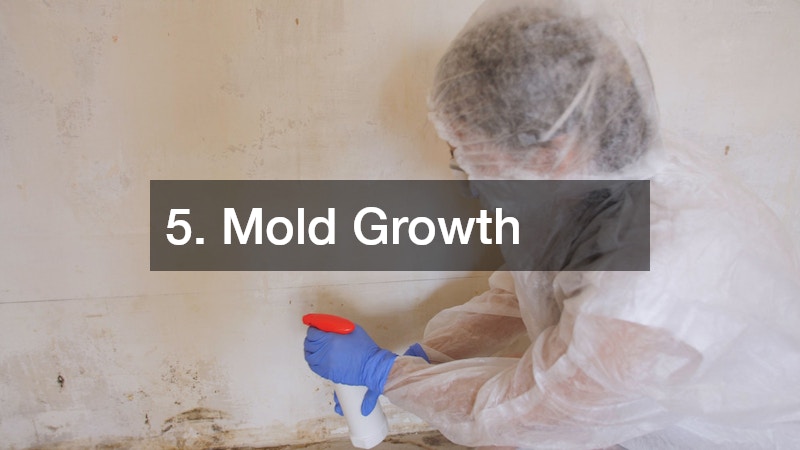
Mold growth is a common consequence of water intrusion, high humidity, and delayed cleanup after storms. It can affect indoor air quality, trigger allergies, and cause structural damage if not handled promptly.
Professional mold remediation teams identify affected areas, contain the spread, and safely remove mold using specialized cleaning solutions and equipment. They also recommend repairs and preventative strategies to ensure that mold does not return, including ventilation improvements and moisture control measures.
Homeowners should remain vigilant for early signs of mold, such as musty odors, discoloration, or peeling paint. Addressing water issues quickly and maintaining dry, well-ventilated spaces are key to preventing mold growth and protecting both health and property.
6. Siding Damage
Storms can crack, dent, or dislodge exterior siding, leaving walls exposed to the elements. Damaged siding can compromise insulation, allow water penetration, and reduce your home’s curb appeal.
Professional home siding replacement ensures that panels are properly aligned, sealed, and compatible with your home’s style. Experienced contractors can match materials, colors, and textures for a seamless appearance, restoring both protection and aesthetic appeal.
Even minor siding damage should be repaired promptly to prevent further deterioration. Temporary protective measures, like tarps or sealants, can shield exposed areas until professional repairs are completed. Maintaining the exterior envelope of your home is essential for long-term durability and energy efficiency.
7. Fallen Trees and Debris
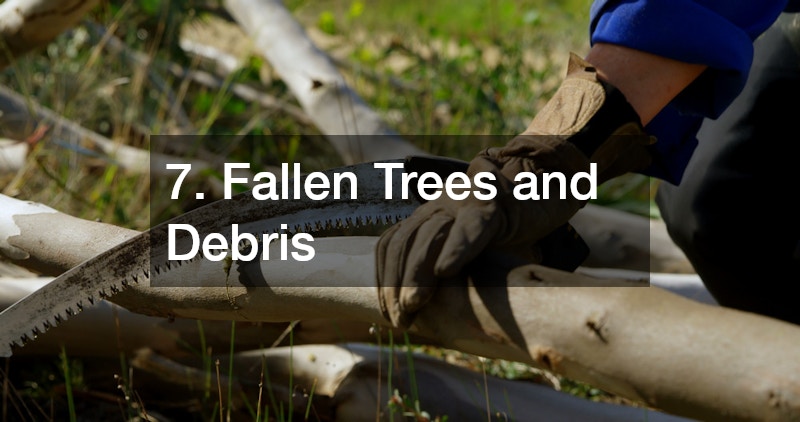
Storms often cause trees or large branches to fall, damaging roofs, windows, and landscaping. Even if no immediate damage is visible, heavy debris can create ongoing hazards for your property.
Professional local tree service providers assess and safely remove fallen trees, prune damaged limbs, and stabilize at-risk trees to prevent future problems. Their expertise ensures that removal is safe, avoids additional property damage, and protects surrounding landscaping.
Homeowners should act quickly to clear debris after storms to reduce risk of injury, pest infestations, or further property damage. Preventative maintenance, including regular tree inspections and trimming, minimizes the likelihood of costly storm-related issues.
8. Stormwater and Drainage Issues
Improper drainage and stormwater runoff can exacerbate flooding, erode soil, and damage foundations. Debris, clogged gutters, or saturated landscaping can prevent water from flowing away from the home effectively.
Stormwater pollution prevention measures, such as installing rain gardens, permeable paving, or improved gutter systems, help manage runoff and protect the environment. These strategies reduce the impact of stormwater on both your property and surrounding areas, preventing soil erosion, foundation problems, and pollution in local waterways.
Addressing drainage concerns promptly preserves both structural integrity and the usability of outdoor spaces. Regular maintenance and smart landscaping choices ensure water flows away from the home safely, mitigating long-term storm-related damage.
9. Landscaping and Yard Damage
Storms often leave a visible mark on outdoor spaces, damaging lawns, gardens, and hardscaping. High winds, heavy rain, and debris can uproot plants, erode soil, break fences or garden structures, and damage walkways or patios. Left unaddressed, these issues not only reduce curb appeal but can also create hazards for family members, pets, and visitors. Broken branches, uneven surfaces, and washed-out soil can increase the risk of accidents, while damaged vegetation may take months or even years to recover naturally.
Professional landscaping companies can assess the extent of storm damage and restore outdoor areas efficiently. Their services often include replanting trees, shrubs, and flower beds, repairing retaining walls, fixing irrigation systems, and redesigning vulnerable zones to better withstand future storms. Landscaping experts also know how to stabilize soil, improve drainage, and create protective barriers that minimize erosion and water pooling. By combining aesthetic improvements with practical solutions, these professionals help homeowners regain both beauty and functionality in their outdoor spaces.
Homeowners can complement professional services with preventative measures to reduce future storm impact. Reinforcing weak garden structures, trimming overhanging branches, and installing erosion control solutions like mulch, ground cover plants, or retaining systems can protect landscapes from wind and water damage. Maintaining healthy, resilient vegetation and hardscaping not only preserves usable outdoor space but also reduces cleanup time and costs after severe weather events.
10. Garage Damage
Garages and outbuildings are often among the first areas affected by high winds, flying debris, and water intrusion during storms. Beyond cosmetic damage, storms can misalign doors, dent panels, or damage hardware, which compromises both security and functionality. Water intrusion can ruin stored items, create slippery surfaces, and even lead to structural issues if moisture penetrates framing or flooring. Garages frequently house important equipment, vehicles, and tools, making their protection a critical aspect of overall home safety and maintenance.
Professional garage door installations ensure that damaged doors are properly replaced or reinforced with durable, weather-resistant materials. Experienced installers can evaluate the severity of the damage, recommend the best type of door for your climate and security needs, and ensure precise alignment for smooth operation. Modern doors often incorporate reinforced panels, insulation, and water-resistant seals, providing both long-term protection and energy efficiency. Beyond practical benefits, high-quality garage doors enhance curb appeal, complement the exterior aesthetic of your home, and give homeowners confidence that their property is safeguarded against future storms.
Even seemingly minor garage issues should be addressed promptly. Misaligned doors, water leaks, or worn hardware can worsen over time, leading to more extensive and costly repairs. Routine inspections and maintenance—such as lubricating rollers, checking weatherstripping, and clearing drainage channels—help ensure that garage structures remain functional and resilient.
11. Interior Water Damage
Finally, storm damage can result in water penetration into interior spaces, impacting walls, ceilings, flooring, and furniture. Even seemingly minor leaks can lead to significant problems over time, including staining, warping, structural weakening, and deterioration of personal belongings. Water that seeps into hidden areas, such as behind walls or under flooring, can create conditions ideal for mold and mildew growth, which can pose health risks and further compromise structural integrity.
Professional water damage remediation specialists play a critical role in addressing these issues effectively. They can assess the extent of the water intrusion, remove standing water, and thoroughly dry affected areas using industrial-grade equipment. In addition to mitigating immediate damage, these experts repair structural or cosmetic issues, restore damaged materials, and implement measures to prevent mold and moisture recurrence. Their experience ensures that all remediation work is conducted safely and efficiently, protecting both the home and its occupants.
Promptly addressing interior water damage is essential for preserving property value and maintaining a safe, functional living environment. Homeowners should regularly inspect ceilings, walls, floors, and even furniture after storms for signs of moisture, discoloration, or warping. Early detection allows for faster intervention, reducing repair costs and preventing long-term complications. By taking proactive measures, homeowners can ensure that their interiors remain dry, comfortable, and resilient against future storm-related challenges, protecting both their investment and quality of life.
Storm damage can affect nearly every part of a home, from roofs and siding to landscaping and interior spaces. Prompt assessment and professional intervention are crucial to minimizing long-term problems and protecting both property value and daily comfort. Addressing issues such as water intrusion, fallen trees, and structural damage early prevents minor problems from escalating into costly repairs.
Working with skilled professionals ensures that repairs are thorough, safe, and compliant with industry standards. From roofing contractors and water damage remediation experts to local tree service providers and mold remediation teams, each specialist plays a role in restoring your home efficiently and effectively. Preventative measures, such as stormwater pollution prevention and reinforced doors, further reduce the risk of future damage, helping homeowners feel secure during severe weather events.
Ultimately, a proactive approach to storm damage—combining timely repairs, professional expertise, and preventative upgrades—allows your home to recover quickly and remain resilient against future storms. By understanding common problems and taking strategic action, you can protect your property, maintain safety, and ensure your home remains a comfortable, functional space for years to come.