Timely roof repair from a roof repair service is vital for maintaining the structural integrity of any building. Its importance cannot be overstated as delaying repairs can lead to several unforeseen consequences. The potential ramifications of postponing roof repairs include financial costs, health risks, and diminished property value, necessitating prompt attention to any signs of roof damage.
1. What are the Immediate Risks of Not Repairing a Damaged Roof?
1.1. Water Leakage and Structural Damage
Water leakage is an early indicator of roof damage, which can quickly lead to more severe structural issues. As water seeps into your home, it can weaken the foundational elements, such as beams and walls, potentially compromising the overall stability of the structure.
Over time, this intrusion worsens, leading to significant repair costs that far exceed the initial expense of addressing the problem promptly. Homeowners should regularly inspect their roofs for signs of wear and promptly address any leaks. This proactive approach helps maintain a home’s safety and value over time.
Ignoring signs of water leakage can quickly result in structural damage, threatening the integrity of a home, causing financial strain on homeowners who may face higher repair costs once the damage has escalated. Water can permeate through the roof membrane, causing rot and decay, which eventually leads to widespread structural degradation. Regular maintenance checks are essential to catch and repair leaks early, preventing extensive damage. By promptly attending to water leakage, homeowners protect their property investment and ensure the safety of its inhabitants. Additionally, scheduling annual roof inspections can help identify small issues before they escalate into significant problems.
Prolonged exposure to moisture can lead to wood rot and weakened infrastructure, risking structural failure. While small leaks might seem insignificant, even minor cracks or holes can allow enough water to cause significant damage over time. Aside from structural threats, water infiltration contributes to a host of other problems, including mold and mildew. When left unattended, a leaky roof can transform into a substantial financial burden that can deter potential homebuyers. Regular inspections and maintaining a sound roof are cost-effective steps to prevent these costly repairs.
1.2. Mold and Mildew Growth
Mold and mildew thrive in damp environments, quickly becoming a health hazard when a faulty roof allows moisture to accumulate. Mold spores can spread throughout the home, aggravating allergies and causing respiratory issues, particularly in sensitive individuals. Besides their health effects, these fungi can produce offensive odors, decreasing the home’s overall air quality. Mold remediation can be costly, as it requires professional removal and significant repairs to prevent recurrence. By addressing roof leaks early, homeowners can avoid health risks and the financial burden of mold removal.
The growth of mold and mildew inside a home signifies unchecked moisture and emphasizes the urgent need for roof repairs. Mold not only damages personal belongings but can also infest the building’s framework, further weakening structural components. Prevention is crucial, as mold remediation often involves stripping away and replacing contaminated materials, driving up repair costs. Regular inspection and ventilation improvements can mitigate mildew development, maintaining indoor air quality. Tackling minor repairs protects not only the home’s structure but the health and wellbeing of its inhabitants as well.
Unchecked mold can lower property value, as potential buyers are often wary of purchasing homes with such issues. To mitigate mold risks, homeowners should fix leaks and promote good ventilation, areas commonly affected by mold. Besides personal health implications, allowing mold to grow unchecked can lead to potential legal challenges. Home inspectors could cite mold presence as a major flaw during the selling process, reducing marketability. Preventive measures, including swift roof repair and routine maintenance, are integral to safeguarding a home’s value and the health of those living within it.
1.3. Insulation Problems
Roof damage significantly affects a home’s insulation, leading to loss of energy efficiency, and increased heating and cooling costs. Compromised insulation allows heat to escape during winter and infiltration of warm air during summer, straining HVAC systems. This inefficiency can significantly impact energy bills, maintaining internal home temperatures. Homeowners spend more on energy expenses when their roofs are damaged, challenging their family budgets further. Addressing roof damages promptly prevents the exacerbation of these insulation problems and allows for better energy conservation strategies.
Reduced insulation efficiency from roof damage leads to elevated energy consumption as HVAC systems work harder to maintain indoor comfort. Without entry protection, drafts and temperature variations contribute to uncomfortable living conditions and greater energy outputs. Repairing roofing damage at the first sign helps preserve internal temperature regulation and reduces reliance on heating/cooling systems. Strategic insulation around common leak areas serves as both protective and energy-conserving measures. Prompt repair attendance signifies prioritizing energy efficiency and reducing the household’s carbon footprint.
As insulation efficiency diminishes, homeowners might see an upward trend in their monthly energy expenses as their heating and cooling systems are overtaxed. Proper insulation maintenance, including ensuring a well-maintained roof, is critical to avoid these additional costs. Insulation issues can escalate into severe long-term financial impacts, potentially delaying other household improvement projects. Dry rot that occurs in compromised sections of insulation must be immediately addressed with effective remedies. Regular maintenance ensures insulation problems remain minimal, preventing larger structural issues and financial burdens.
1.4. Increased Energy Expenses
Energy expenses can be a significant cost for homeowners, particularly when roof damage remains unattended, as inefficiencies in home heating and cooling systems occur. Gaps or damage from a leaky roof can lead to energy loss as HVAC systems are forced to work overtime to compensate for temperature fluctuations. The financial strain from unchecked damage can impact a family’s budget, limiting resources available for other necessary expenses. When roof issues are addressed and repaired timely, energy efficiency improves and households save on utilities. Investing in regular inspections and maintenance is a proactive strategy to control energy expenditure and maintain household comfort.
Delaying roof repairs can lead to rising energy bills, adding significant cost burdens during extreme weather conditions. Addressing roof repairs encourages better insulation, lowering reliance on excess energy output from climate control systems. An investment in a timely roof repair is shown to have returns in reduced electricity and gas bills over time. Homeowners can implement preventive strategies to manage energy costs while simultaneously promoting a sustainable living environment. Efficiently maintained roofs contribute to conserving energy and ensure balanced temperature maintenance across all seasons.
Improving home energy efficiency often begins with ensuring the roof is in good condition, free from leaks, and well insulated. Roof damage should be resolved immediately to prevent heating/cooling energy wastage, commonly occurring through roof leaks or poor insulation. Sustaining a sound roofing structure plays a significant role in preventing energy expense hikes during peak seasons. Home performance and efficiency improvement requires vigilant monitoring and ongoing roof maintenance to manage energy consumption effectively. Swift repairs to any roofing issues offer peace of mind, both for household comfort and financial stability.
1.5. Compromised Safety Concerns
Compromised safety is a significant concern when delaying roof repairs, as it can impact the structural integrity of the property and the safety of its occupants. Weak spots or sagging areas can pose immediate threats, including potential collapse or harm during severe weather conditions. Regular inspection is necessary to identify these vulnerabilities before they escalate into a full-scale disaster. Safety hazards also extend to electrical systems when moisture infiltrates through the roof, potentially causing short circuits or fires. Ensuring timely roof repairs can mitigate these risks and enhance the overall safety of the home environment.
Delays in addressing roof damage not only jeopardize the home’s structural security but also the health and safety of its inhabitants. Water intrusion could damage electrical systems, creating electrocution risks or fires, emphasized during storms or leaks. Equally, structural failures can lead to injuries, particularly in weak ladder access or ceiling collapse scenarios. Prioritizing roof maintenance ensures safety against unforeseen events and instills confidence in secure home living. Investing in roof repair emphasizes safeguarding your family against safety threats prevalent with roof deterioration.
Ignoring roofing issues may seem insignificant until faced with the safety ramifications associated with neglect. As roofs play a pivotal role in home protection, failure to address weak points results in unnecessary risks and heightened vulnerability. Ensuring immediate roof repairs is a wise risk management strategy to prevent potential injuries or damage from compromised structural conditions. Safety considerations warrant swift repairs at any injury or family safety risk signals attributed to deferred maintenance. Remaining proactive offers immense peace of mind, knowing that due diligence in roof repairs contributes to safer living conditions.
2. How Does Delaying Roof Repair Impact Property Value?
2.1. Perception of Neglect
When roof repairs are neglected, it can create a perception of neglect that impacts the property’s market value adversely. Potential buyers may interpret unresolved roof issues as a sign of poor overall maintenance, reducing their interest. The visual appeal of a home is often a major selling point; damaged roofs can detract from this, giving the property an unkempt appearance. Addressing roof damage proactively can improve the curb appeal and signal to buyers that the property is well maintained. Homeownership is a significant investment; maintaining the roof value showcases a commitment to both maintaining and enhancing property values.
Homes with visible roof problems are often perceived as requiring extensive repairs or renovations, deterring potential buyers. Buyers typically hesitate to invest in properties that suggest underlying neglected maintenance, fearing other hidden issues. The cost to immediately repair a roof upon purchasing deters buyers from selecting such properties due to higher immediate expenses. Improvements like roof repairs illuminate care, reflecting consistently maintained homes. Initial impressions are key to securing buyer interest, motivating swift roof repairs essential for maintaining market competitiveness.
The neglect signals lack of responsibility, affecting desirability in markets where buyers value well-rounded, comprehensive home care. When homeowners address roof concerns immediately, it showcases a metric of accountability to maintaining the home’s quality and safeguards its valuation. Market competitiveness improves when potential buyers perceive properties as move-in ready and free from impending burdens. Slight roof upkeep creates impressive market advantages, conveying a sense of reliability and benefits in resale valuation. Upholding high standards for general care and maintenance effectively enhances property desirability among prospective homeowners seeking well-cared-for investments.
2.2. Cost of Future Repairs
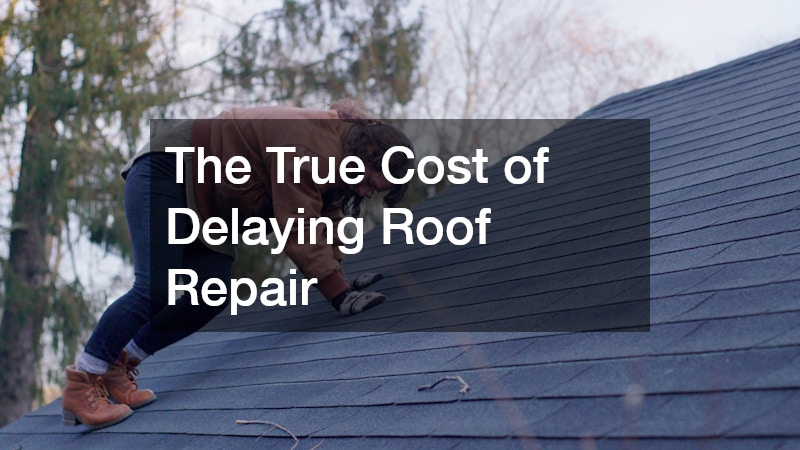
Repair costs increase as damages worsen from delayed attention to roof issues. Often, secondary damage effects compound initial problems, transitioning from minor fixes into extensive repairs spanning significant parts of the home. By attending quickly to roof repairs, additional escalating costs related to deferred maintenance are mitigated, ultimately saving homeowners financially. Prompt action mitigates drastic cumulative repairs that overshadow initial repair investments, reducing conceivable long-term expenditures. Understanding repair costs upfront encourages informed decisions about timely interventions versus burdens associated with protracted negligence.
Each neglected roof repair potentially leads to cascading negative effects on the building, including structural damage and health risks from mold. The financial savings involved in conducting timely maintenance extends beyond monetary factors, ensuring fewer disruptions to home enjoyment. Initiating repairs on a ‘don’t-immediately-seem-urgent’ basis wards off insidious care issues that amass repair budgets exponentially over time. Prolonging interventions pushes seemingly small repairs into large scale high-cost projects, often beyond regular budgetary planners. Financial prudence keeps most pressing issues prioritized and averts complex house situations caused by reluctance to undergo needed restoration quickly.
By addressing roof issues proactively, costs are managed, and unforeseeable significant repairs are circumvented, keeping the home both marketable and attractive. Furthermore, addressing repairs promptly fosters a budget-savvy mindset where repair investments are seen as strategies for long-term value protection. Costs burdens are efficiently borne by accounting for advance futures, ensuring homes are sale-ready without declining market values due to major prospective undertakings. Protect assets from deteriorations and remain within manageable budgeting confines, fortifying peace of mind and readiness for unanticipated events. Trusted professionals offer insights into creating protective plans keeping repair costs buffered from becoming potential financial crises.
2.3. Deterring Potential Buyers
Potential buyers scrutinize condition reports, and visible or known structural defects from unrepaired roofs deter investment. Damaged roofs acting as barriers stalling sales cycles compel homeowners to prioritize roof maintenance to sustain competitiveness. Investing in repair projects encouraging buyer interest ensures optimal sales values by positioning properties with perceived inherent value. Enlisting professionals for comprehensive repairs prior to listing ensures a sound structural portrait leveling buyer apprehension. Not addressing roofing issues limits prospective buyers, especially those cautious of fixing significant issues shortly after investments.
Most informed buyers express reluctance for undertaking previously neglected maintenance upon acquiring property, showcasing a need for sellers to ensure good condition roofs. Ignored defects burden sales trajectories by shifting involvement away from preparedness to patience-required fixes once under contract. Using prompt repair actions to signal buyers carries persuasion highlighting thorough operational quality magnetically orienting buyer choices. Maintenance tasks discerning positive afford a seller advantage, cementing credibility over properties sacrificing visibility for repairs, standing out to discerning buyers. Buyers drawn to maintained properties witness investment transitions appearing seamless limiting shock over immediate spending post-purchase closure.
Ensure firm property values through actionable tasks inferring managed care, sculpting potentials for broader prosperous market appeal. Poor conditions produce unwillingness in offering price compliance even when price adjustments attempt accommodations, reflective not favoring framed neglect. Çomprehensive standards signify robust shelter reinforcement plans, maintaining appealing buyer relationships centered on trust and clarity. Buyers motivated by avoidance of unnecessary repairs encourage sellers toward restorative pathways. Augment returns while addressing damage solutions seamlessly upmarket, enticing buyers favoring immediate ease entry barriers absent lingering repair dialogues.
2.4. Legal Considerations for Disclosure
Sellers must disclose known property defects, including roof damages, to buyers—failing to do so invites legal repercussions. Complete transparency fosters trust, enhancing productive buyer-seller negotiations, reducing potential disputes. Disclosing roof conditions powers buyers to base decisions after contemplation of repair implications, ensuring informed buying. A comprehensive reporting approach assumes liability mitigation absolving disclosure ambiguities risking transaction failures. Regular maintenance develops confidence, holding sellers accountable for considered repairs aligned with reassuring transparency.
Failure to disclose roof issues jeopardizes sales, complicating rightful claims from purchasers unduly burdened by undisclosed repair demands. Open communication helps establish buyer confidence while circumventing disputes consequential to non-disclosure legal exposure, fortifying transaction assurance. The advisory process recommends permissible transparency practice to legalize clearly visible defect disclosures safeguarding negotiations contingencies. Repairs preceding sale disclosure eliminate potential issues and strengthen stable buyer resolve in finalizing attractive sales contacts. With communications supervised securely, creating differentials supports agreements insulated from complaints detrimental to transactional satisfactions.
The necessity for transparent roof repair discussions matters, prompting early interventionism predicting law compliance support, underscoring due compliance processes. Prospect transparency eliminates unforeseen legal concerns attempting transaction blockages, advancing agreeable results substantiating home stewardship trustworthiness. Ignoring disclosure accountability motivates momentous dividend destabilizations awaiting financially strenuous repairs unanticipatedly brewed, delivered post-transactions. Prompt responses preventing disclosure abuses assist positioning sellers positively alongside advisable terminologies securing straightforward comprehension. Transparent measures institutionalize positive affirmations reflecting market stability and ethical desire unencumbered by dubious constraints barring deal closures relatively.
2.5. Impact on Home Appraisal
Home appraisals assess property values, with neglected roofs reducing appraised results, potentially impeding mortgage approvals. Certification requires verified roofs evidencing strength in condition influencing protocols adhering through financiers’ acceptance. Appraisers considering conditions embodied underperforming marks stem notable discrepancies amid repairs regulatory exceeding approved norms. Integration of appraisers affords guidance enabling eligible perspectives appraising towards dignified maintenance facilitating transparent property valuation. Avoiding reductions from damaged roofing validates existing appraisal interests amplifying owner returns buffered against economic frustrations.
Property appraisal transparency demands adherence to conditional criteria, supporting financial institutional forecasts tied to perceived preservation degrees. Comprehensive repairs reflect robust financial health adhesion confirming vested valuations undistracted by depreciation concerns indicative of future fiscal buffering. Through recorded repair diligence aligning with appraisal enhancements, documented disclosures unveil thorough conditions supporting uninterrupted evaluations confronting underestimation biases. Providing reports honoring appraisal veracity substantively reinforces determination factors impacting broader market admission ensuring approachable loan eliminations. Trustworthiness emerges motivating prosperity channels ingrained toward accessibility safeguarding allocations climbing finance-founded offerings, brighter during acquisition mandates.
For sellers, protecting appraisal value aligns repairing strategies with boost-worthy interests eliminating undue devaluations from tiered inaccurate appraisals. Elevating property excellence highlights structural primacy preceding profit-aligning partnerships mitigating expense-leaden appraisals detailing favorable insights. Conscientious owners prioritize guided pathways prevailing recognition unyielding to deficient interpretations threatening fiscal solvency definitions. Decision-building avails asset conditioning transparency enabling placement optimizations fostering optimal implementation alongside investment priority consistency. Buyers comfortable endorsing completed transfers expressing confidence perceptive investments magnificence preserved, appreciating evaluated core totality resultantly devoid cancelations/issues insertion risks.