Foundation excavation is one of the most critical steps in any construction project. Whether you are building a new home, adding an extension, or constructing a commercial property, properly excavating the foundation ensures the stability and longevity of the structure. Understanding how foundation excavating works and what to expect during the process can help homeowners and contractors plan effectively and avoid costly mistakes. This article breaks down the process, key considerations, and best practices for a successful foundation excavation.
What is Foundation Excavating?
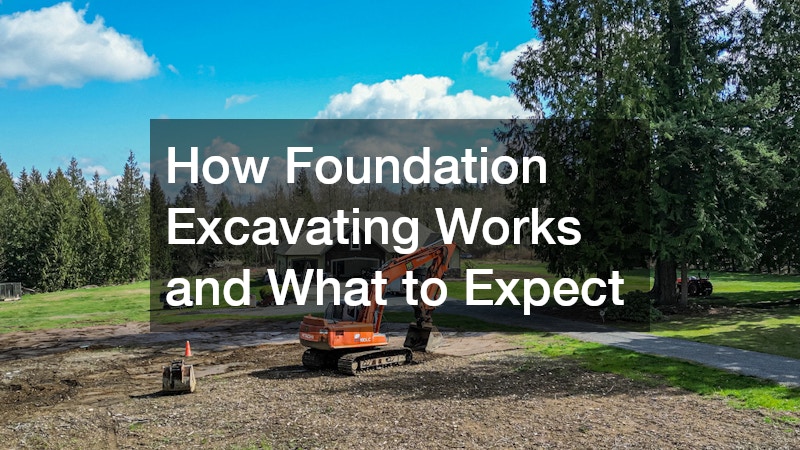
Foundation excavating involves digging and preparing the ground where a building’s foundation will be laid. This process creates a stable and level base that supports the entire structure.
Proper excavation ensures that the foundation can handle the weight of the building and prevents issues such as settling, cracking, or uneven flooring. A well-executed excavation also allows for proper drainage, reduces soil erosion, and provides room for necessary utilities. The depth and size of the excavation depend on the type of foundation being installed, whether it’s a slab, crawl space, or full basement.
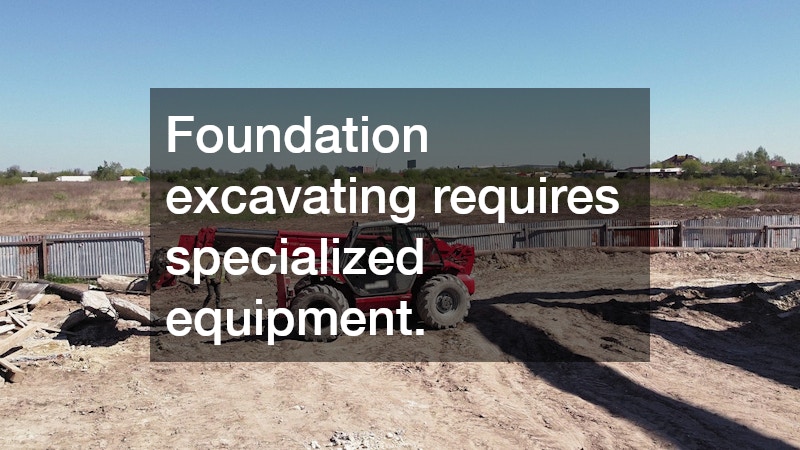
Foundation excavating requires specialized equipment to ensure precision and efficiency. Common machines include excavators, backhoes, skid-steer loaders, and bulldozers. Excavators are often used for large-scale digging, while backhoes and skid-steers help with detailed work and maneuvering in tighter spaces. In addition to heavy machinery, hand tools such as shovels, picks, and compactors are used for fine-tuning the excavation and ensuring the foundation area is properly prepared. Using the right combination of equipment reduces the risk of errors and speeds up the project timeline.
Before excavation begins, soil testing is conducted to determine the suitability of the ground for supporting a foundation. Soil tests assess factors such as load-bearing capacity, drainage, and compaction. Identifying soil issues early allows contractors to adjust the excavation plan, such as adding reinforcement or improving drainage, to prevent structural problems in the future.
How Long Does Foundation Excavating Take?
The duration of foundation excavation depends on several variables. Soil type plays a major role; sandy or loose soil is easier to dig, while clay or rocky soil requires more time and effort. Weather conditions, including rain or snow, can also slow progress by making the soil harder to work with or creating unsafe conditions. The size and complexity of the project further influence excavation time. A standard residential lot typically requires less time than a commercial site or a property with challenging terrain.
For most residential projects, foundation excavation usually takes anywhere from a few days to a week. Small single-family homes with straightforward lots may be completed in two to three days, while larger homes or lots with irregular topography can take longer. Contractors often use a staged approach, completing rough excavation first and then refining the site to the exact dimensions and level required for the foundation. This ensures the foundation is precise and ready for concrete pouring or other construction steps.
Even with careful planning, unforeseen obstacles can delay excavation. Underground utilities, hidden rocks, or large tree roots can require additional work or rerouting of utilities. Heavy rainfall or other adverse weather can also halt work temporarily, particularly if the site becomes muddy or unsafe. Working with experienced professionals and a reliable excavating services provider helps minimize delays, as they can anticipate challenges and adapt quickly to changing conditions.
How to Prepare for Foundation Excavating
Before excavation begins, it is crucial to obtain the necessary permits and ensure compliance with local building codes and regulations. This step prevents legal issues and ensures that the work is conducted safely and to code. Local authorities may require inspections at various stages, including pre-excavation and post-excavation, to verify that the foundation is being properly prepared.
Selecting an experienced contractor is vital for successful foundation excavation. Look for contractors with a proven track record in residential or commercial projects, proper licensing, and insurance. A skilled excavating services provider can accurately assess the site, determine the correct depth and grading, and handle unexpected challenges efficiently. Asking for references and reviewing past projects can provide insight into the contractor’s capabilities and reliability. Communication is also key; a contractor who keeps you informed throughout the excavation process helps ensure the project stays on schedule and within budget.
Effective planning and budgeting are critical to avoid cost overruns and project delays. Preparing a detailed plan that includes excavation dimensions, equipment needs, soil treatment, and estimated labor costs helps homeowners and contractors anticipate potential expenses. Setting aside a contingency budget is recommended, as unforeseen soil issues or delays can add costs. A comprehensive plan also facilitates coordination with other contractors involved in the project, such as concrete suppliers or utility installers.
Foundation excavation is a foundational step in construction that requires careful planning, precision, and professional execution. From understanding the purpose of excavation to selecting the right equipment, testing the soil, and choosing an experienced contractor, every step contributes to a strong and lasting foundation.
The time required depends on project size, soil conditions, and potential challenges, but working with skilled professionals in excavating services ensures that the process is efficient and successful. By obtaining proper permits, budgeting effectively, and collaborating with a reliable contractor, homeowners can feel confident that their construction project starts on solid ground. A well-executed foundation excavation sets the stage for the entire building process, providing stability, durability, and peace of mind for years to come.